
The 12-Inch Sonotube Guide: Volume, Weight, and Uses
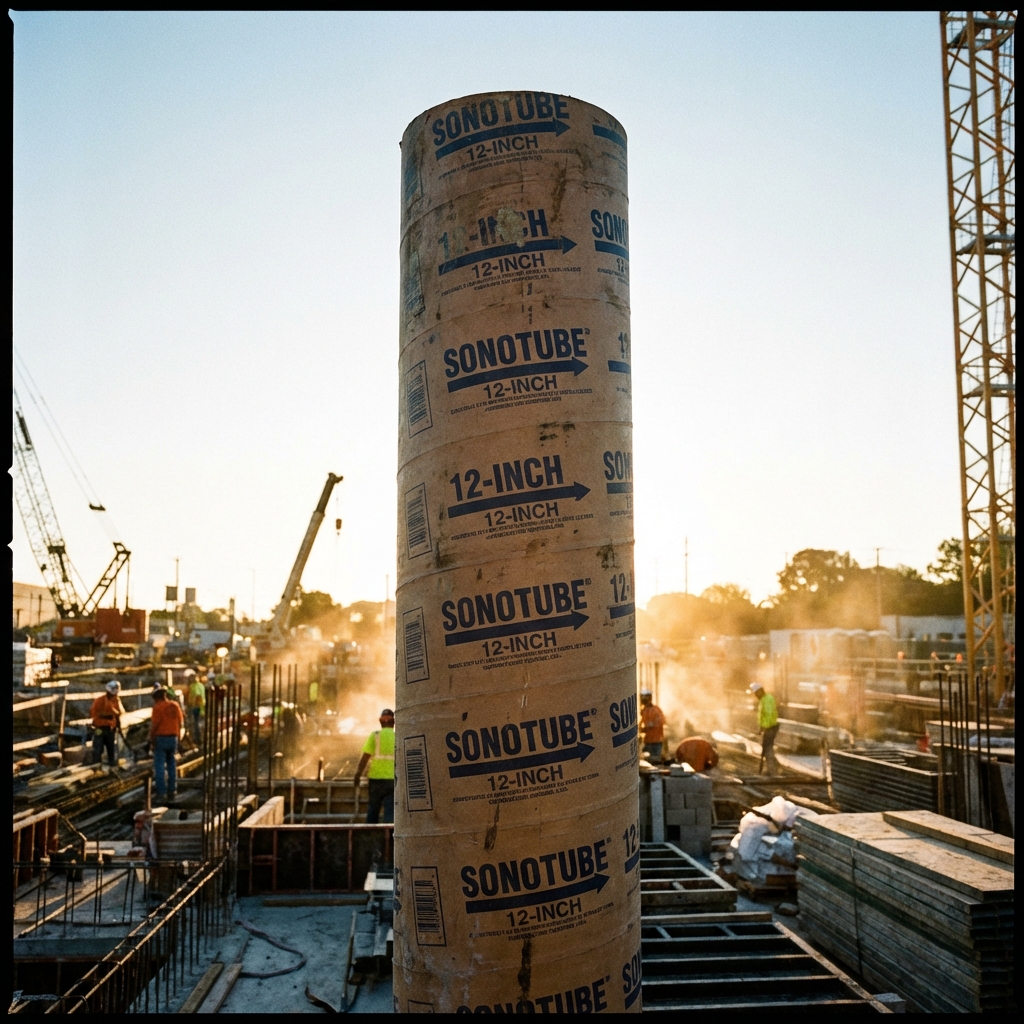
The 12-inch Sonotube is the king of residential foundations. Find out why it is the most popular size for decks and how to plan your materials.
Azeem Iqbal
Editor
The 12-Inch Sonotube Guide: Volume, Weight, and Uses
In the world of backyard construction, the 12-inch Sonotube is the heavy-weight champion. While 8-inch tubes are fine for fences and 10-inch tubes work for small landings, the 12-inch form is the reliable standard for substantial structures.
Why is this size so popular? Because it is the perfect match for the 6x6 wooden post.
Why 12-Inch? The Geometry of “Wiggle Room”
A “6x6” post is actually 5.5 inches square.
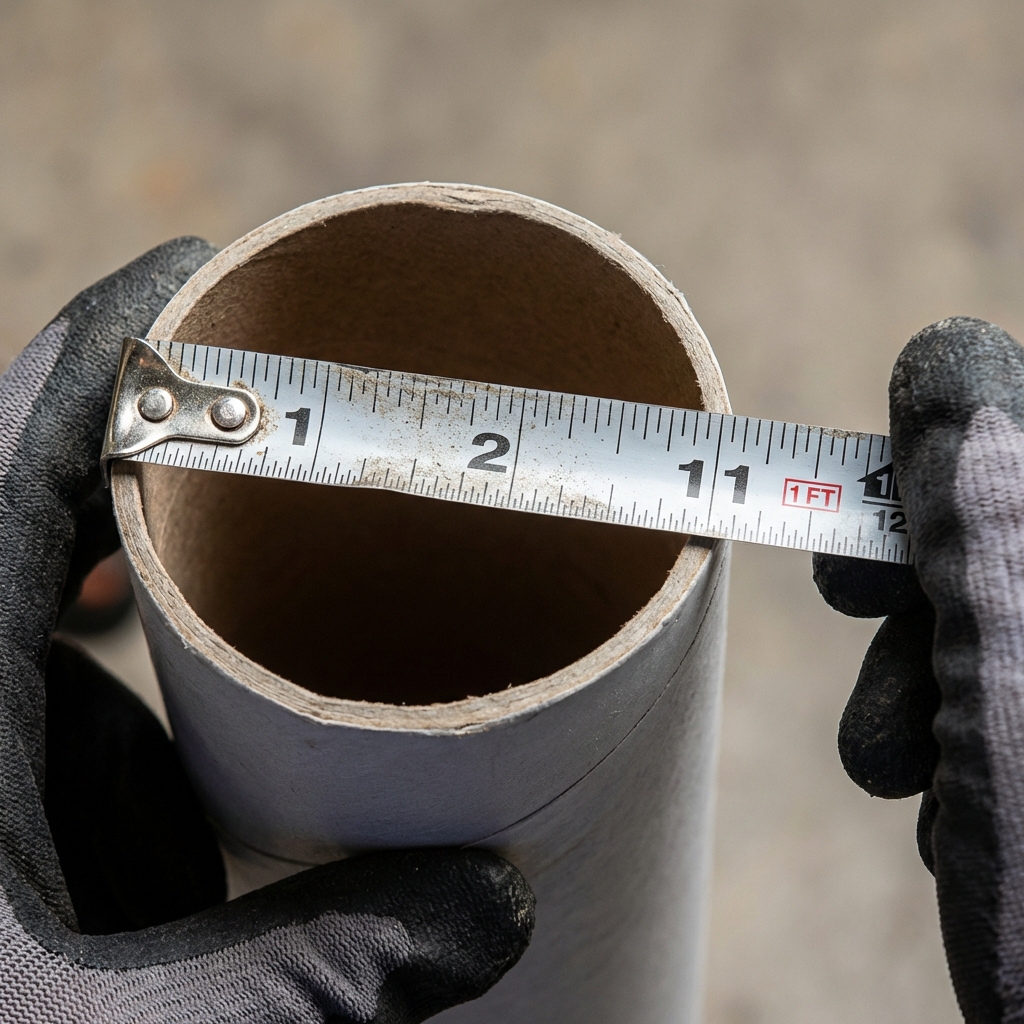
- On a 10-inch tube: You have only about 2 inches of concrete on each side of the post. If your anchor bolt is slightly off-center, you are in trouble.
- On a 12-inch tube: You have over 3 inches of clearance on all sides. This allows you to use stronger post bases (like the Simpson PBS66) that require deeper embedment and edge distance.
Visuals matter, too. A thick 6x6 post looks “grounded” on a 12-inch pier. On a smaller pier, it looks like a mushroom.

The Material List (Per Hole)
Planning a 12-inch footing project? Here is your shopping list for ONE 4-foot deep hole:
- The Tube: One 48” length of 12” diameter form.
- Concrete: 6 bags (80lb) - Always round up from the theoretical 5.5.
- Rebar: 4 lengths of #4 rebar (cut to 40 inches).
- Base: 1 bag of drain gravel (for the bottom).
- Bracket: One 6x6 Post Base (e.g., Simpson ABA66Z).
- Bolt: One 1/2” x 10” J-Bolt (if casting in place).
The Volume Math (Cheat Sheet)
Memorize this number: 0.8. A 12-inch tube holds roughly 0.8 cubic feet of concrete per foot of height.
- 1 Foot Tall = 0.8 cu ft
- 2 Feet Tall = 1.6 cu ft
- 3 Feet Tall = 2.4 cu ft
- 4 Feet Tall = 3.2 cu ft
When is 12-Inch “Too Much”?
If you are building a simple privacy fence with 4x4 posts, a 12-inch tube is a waste.
- Volume Difference: A 12-inch tube uses 225% more concrete than an 8-inch tube.
- Cost Difference: That turns a $50 concrete order into a $112 order, not counting the extra digging labor.
Save the 12-inch giants for where they belong: Under your deck, supporting your hot tub, or holding up your pergola.
? Frequently Asked Questions
How many bags of concrete for a 12 inch by 4 foot Sonotube?
What is the volume of a 12 inch Sonotube per foot?
How much does a 12 inch concrete pier weigh?
Can I put a 6x6 post on a 12 inch pier?
Can I use a 12 inch tube for a fence?

About Azeem Iqbal
A passionate advocate for data-driven training. Dedicated to providing accurate tools and guides to help you optimize your cycling performance.


