Ultimate Sonotube Load Capacity Guide: How Much Weight Can It Support?
Wondering how much weight a Sonotube column can hold? We break down load capacities, concrete PSI factors, and safety tips for decks and foundations.
Azeem Iqbal
Editor

Ultimate Sonotube Load Capacity Guide: How Much Weight Can It Support?
When planning a deck, pergola, or home addition, one question is critical: Will these concrete columns actually hold up the structure?
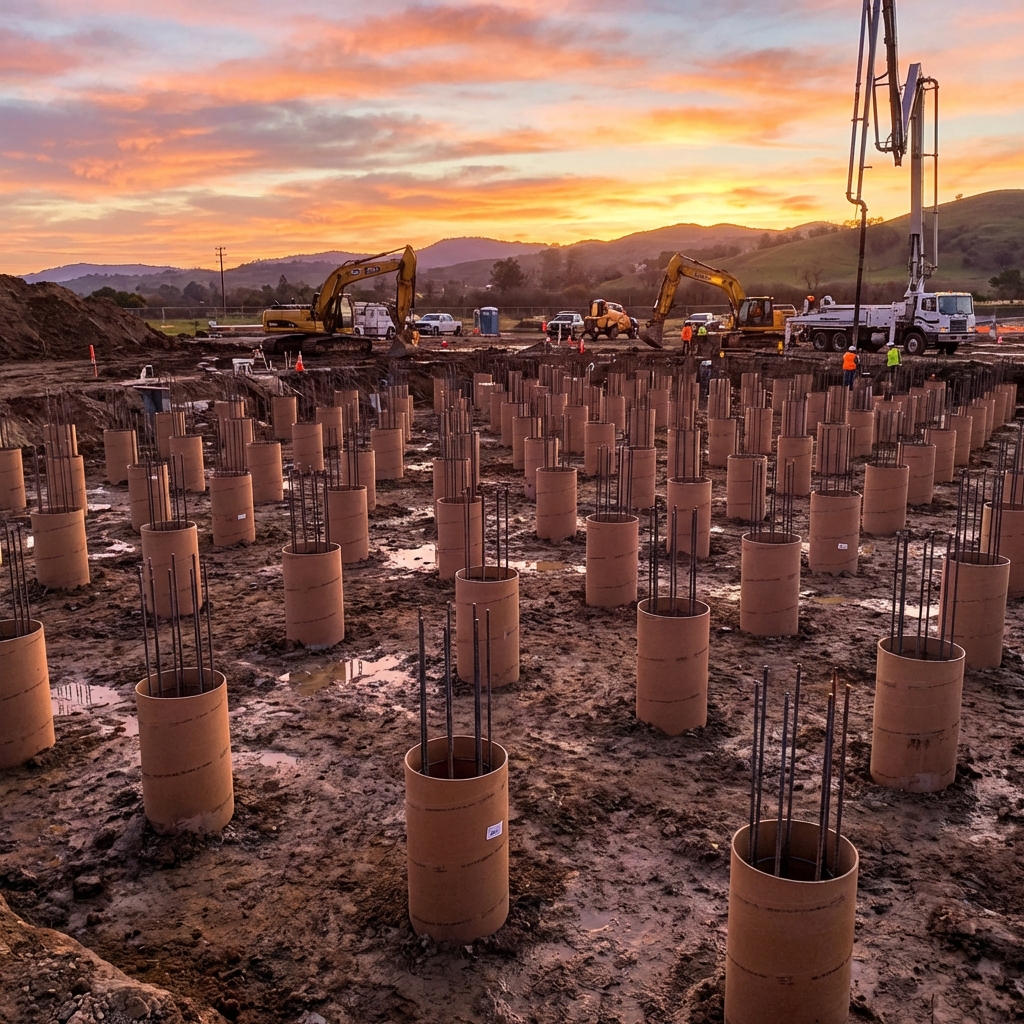
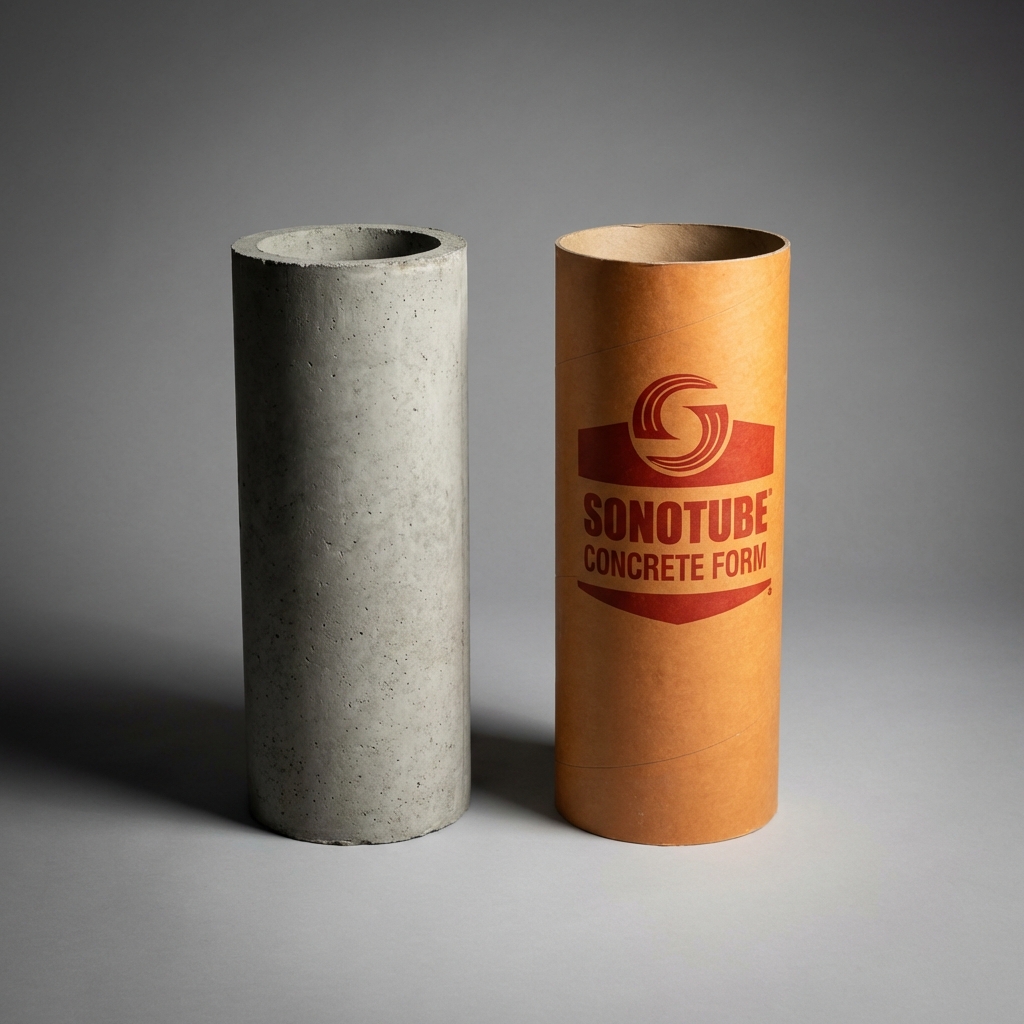
Sonotubes—those cardboard forms that shape cylindrical concrete piers—are the industry standard for creating deep, strong footings. But a cardboard tube doesn’t hold weight; the reinforced concrete inside it does. Understanding the load capacity of your finished column is essential for safety and longevity.
The Science of Load Capacity
The “load capacity” of a concrete pier isn’t just one number. It is determined by a chain of weak links. Your column is only as strong as its weakest element.
1. Concrete Strength (The Theoretical Limit)
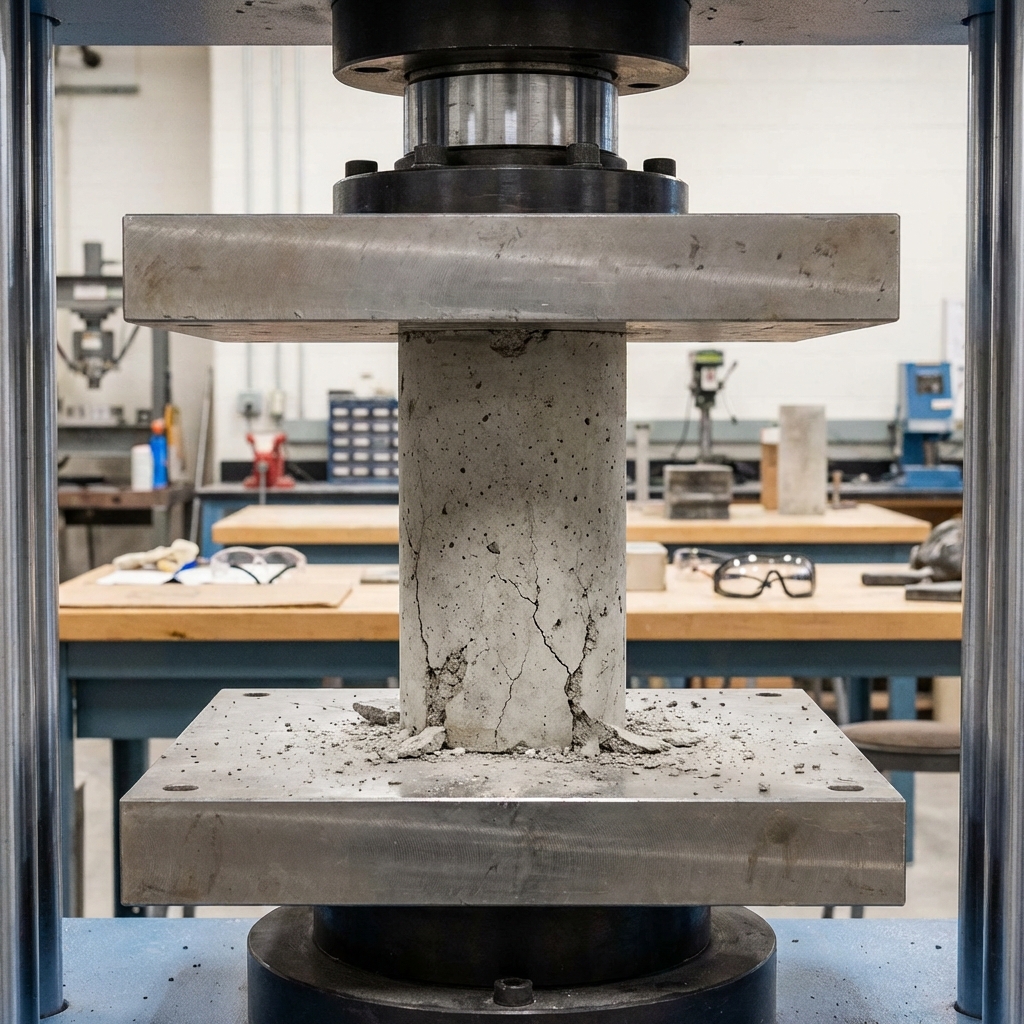
Concrete is incredibly strong in compression. A standard bag of ready-mix concrete often has a compressive strength of 3,000 PSI (Pounds per Square Inch) or 4,000 PSI after it has fully cured (28 days).
Mathematically, the theoretical load capacity is huge:
- Formula:
Area (sq inches) × PSI - Example (10” Tube): A 10-inch columns has an area of ~78.5 sq inches.
78.5 sq in × 3,000 PSI = 235,500 lbs
That is over 100 tons! So why don’t we build skyscrapers on single 10-inch tubes? Because of the soil.
2. Soil Bearing Capacity (The Real Limit)
The ground beneath your footing is almost always the limiting factor. You can have a diamond-hard column, but if it sits on soft mud, it will sink like a stone.
- Clay/Silt: ~1,500 lbs per sq ft (PSF)
- Sand/Gravel: ~3,000 lbs per sq ft (PSF)
- Bedrock: 10,000+ lbs per sq ft (PSF)
Real World Example: If your 10-inch column (Area = 0.545 sq ft) sits on standard soil (2,000 PSF), it can safely support only ~1,090 lbs directly.
To support heavy loads like a hot tub or a large deck, you need to spread that weight out. This is why we pour a wider “spread footing” or “bell footing” at the bottom of the Sonotube. A 24-inch wide base on that same 10-inch column increases the ground contact area to 3.14 sq ft, boosting capacity to 6,280 lbs.
Common Sonotube Size Capacities
Here is a quick reference for theoretical column strength vs. typical soil capacity (assuming no flared base).
| Tube Diameter | Column Strength (3000 PSI) | Soil Capacity (2000 PSF, Straight Shaft) | Rebar Need? |
|---|---|---|---|
| 8 Inch | 150,000 lbs | ~700 lbs | Yes (2-3 rods) |
| 10 Inch | 235,000 lbs | ~1,100 lbs | Yes (3-4 rods) |
| 12 Inch | 339,000 lbs | ~1,500 lbs | Yes (4 rods) |
| 16 Inch | 600,000 lbs | ~2,800 lbs | Yes (Cage) |
Note: “Column Strength” is the crushing weight of the concrete itself. “Soil Capacity” is the max load before sinking in typical soil without a spread footing.

The Role of Rebar (Reinforcement)
Concrete is strong when crushed (compression) but weak when pulled or bent (tension). This is where steel rebar comes in.
If your column is tall, or if the wind pushes your deck sideways, the concrete tries to bend. Without rebar, it could snap.
- Vertical Bars: Run 3-4 vertical pieces of #4 (1/2”) rebar down the full length.
- Stirrups/Ties: Wrap horizontal wire or rebar rings around the vertical bars every 12 inches to create a cohesive “cage.”
Safety Factors & Engineers
Never design a foundation to the absolute limit. Structural engineers use “Safety Factors” (often 2x or 3x) to account for:
- Soil Variations: Patches of soft dirt or underground water.
- Imperfect Mixes: Too much water in your concrete weakens it effectively.
- Live Loads: Dynamic weight like dancing people, snow accumulation, or wind gusts.
Conclusion
Calculating load capacity starts with the concrete (massive potential) but ends with the dirt (load limit). precise sizing involves balancing your Sonotube diameter for structural stiffness and your footing width for weight distribution.
For most backyard decks, 10-inch or 12-inch Sonotubes with a flared footing base are the gold standard. When in doubt, go wider—concrete is cheap compared to the cost of fixing a sinking foundation.
? Frequently Asked Questions
How much weight can a 12 inch Sonotube support?
What factors affect Sonotube load capacity?
Do I need rebar in my Sonotube pier?
What is the best concrete PSI for Sonotubes?
How deep should a Sonotube footer be?

About Azeem Iqbal
A passionate advocate for data-driven training. Dedicated to providing accurate tools and guides to help you optimize your cycling performance.